
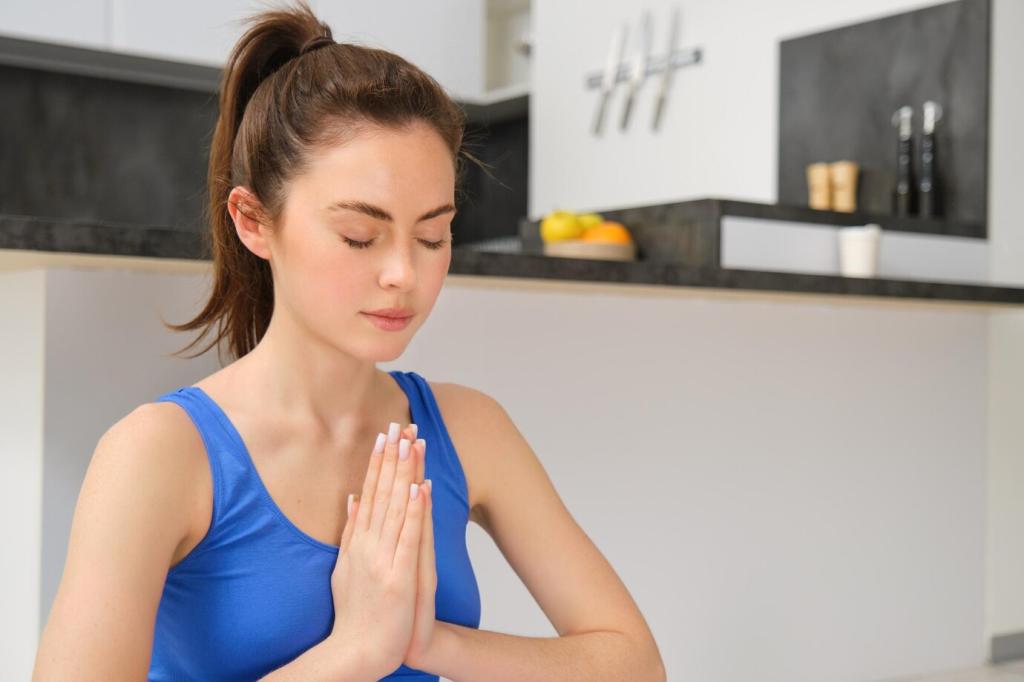
Calm Power: Train Your Mind, Elevate Your Game
Chosen Theme: Meditation Techniques to Enhance Athletic Performance. Build unwavering focus, steadier nerves, and smarter recovery through practical, athlete-tested meditation methods you can apply today—before practice, during pressure, and after the final whistle.


Precision Scripts for Technical Consistency
Write a first-person, present-tense script describing one flawless rep: grip, foot pressure, timing, finish. A collegiate rower shaved split seconds by rehearsing the exact catch sensation and the boat’s glide while syncing breath to stroke rhythm nightly.
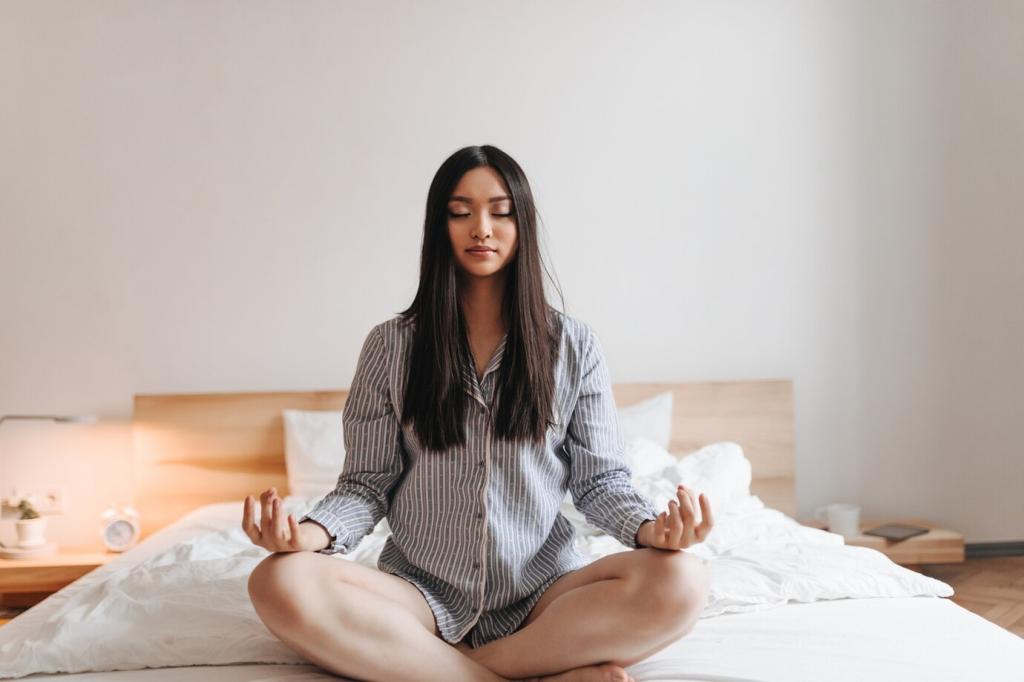
Obstacle Rehearsal to Build Resilience
Include challenges—wind, slick turf, an opponent’s surge—then visualize your calm response. Athletes who practice adversity imagery often report fewer surprises on game day and a faster return to optimal focus after sudden, disruptive moments.
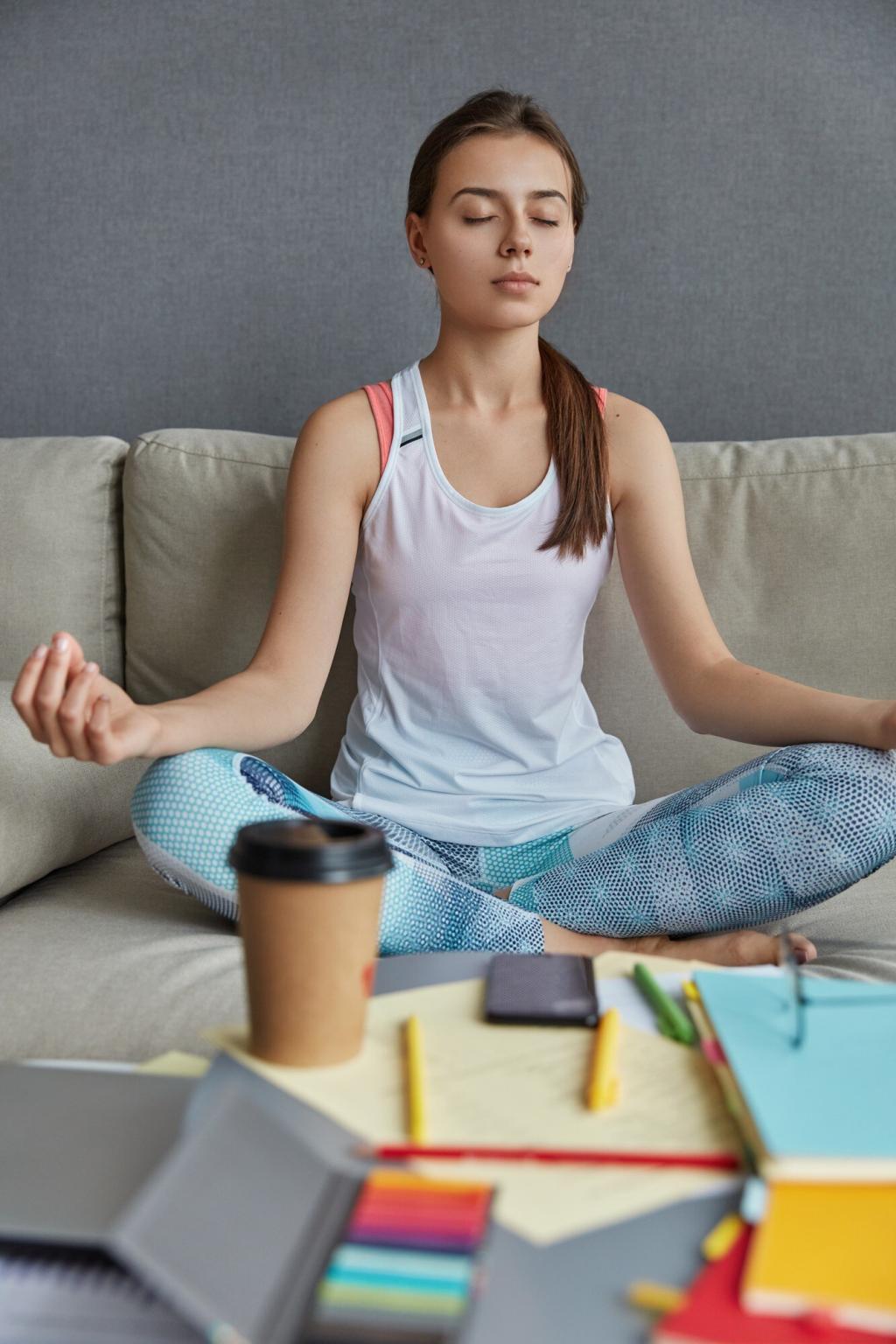
Body Awareness to Prevent Injuries and Pace Better
Lie down or sit tall. Sweep attention from toes to crown, labeling sensations as warm, tight, or neutral. A triathlete discovered subtle hip stiffness here and adjusted drills accordingly, averting a recurring niggle that had been quietly building.
Body Awareness to Prevent Injuries and Pace Better
Track breath depth, muscle tone, and jaw tension during efforts. When strain exceeds your chosen threshold, ease cadence slightly for thirty seconds. This keeps technique intact and prevents the sloppy mechanics that often precede preventable strains.
Game-Day Calm: Routines That Stick Under Pressure
Close eyes, inhale four counts, exhale six counts for eight breaths. Repeat a performance intention: quick feet, quiet eyes, strong core. A winger noticed cleaner first touches after making this his automatic ritual when momentum wobbled mid-match.
Game-Day Calm: Routines That Stick Under Pressure
Choose a mantra that fits your role—smooth release, relentless closeout, patient kick. Whisper it with each exhale for two minutes. Mantras work best when tied to a single actionable cue that you can execute immediately on the opening play.

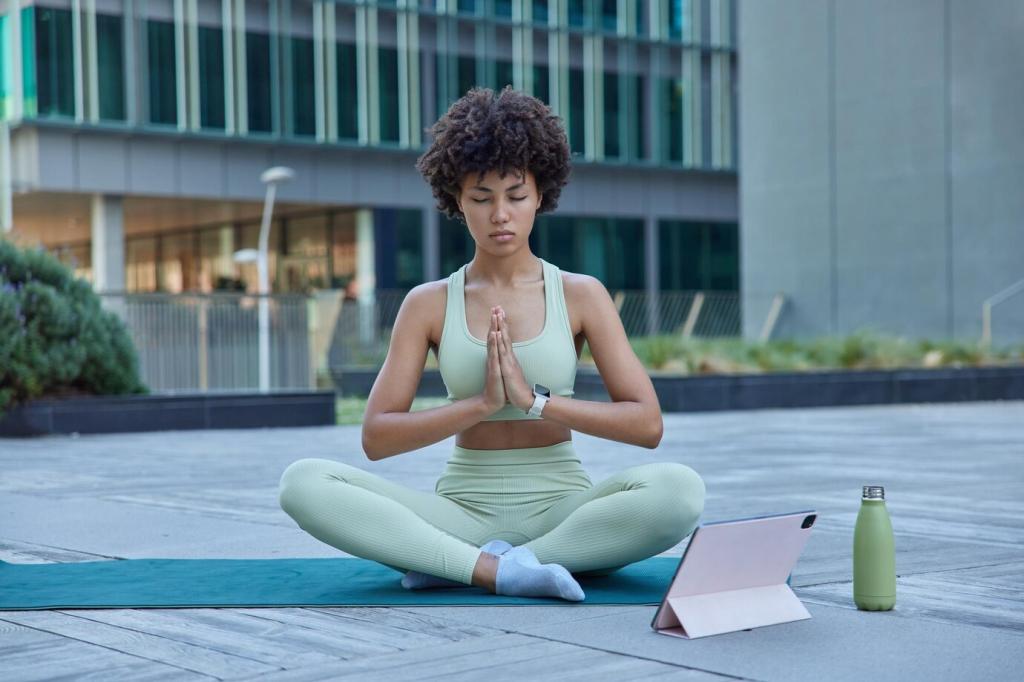
Recovery Meditation That Actually Recharges
NSDR/Yoga Nidra for Deep Reset
Lie down, follow a slow body rotation of attention, and allow micro-sleeps. Many athletes wake refreshed after 20 minutes, reporting reduced soreness and renewed motivation. Pair with dim light and a blanket to encourage true nervous system downshift.
Compassion Practice to Release Frustration
A simple loving-kindness meditation softens harsh self-talk after tough performances. Wish yourself and teammates well-being and growth. One swimmer broke a plateau after replacing post-race rumination with kindness, regaining curiosity in technical experimentation.
Sleep Onset Breathing and Let-Go Cue
Use a 4-7-8 pattern for six cycles, then repeat the cue let go while sensing your body’s weight. Athletes often report faster sleep onset and fewer awakenings, especially when they dim screens and commit to consistent bedtimes.
Team Culture: Mindfulness You Can Practice Together
Huddle Breathing for Synchrony
Circle up, hands on knees, six slow synchronized breaths. Notice the room quieting and shoulders dropping. Teams often report fewer unforced errors in the opening minutes when they begin competitions with this collective, steadying cadence.
Shared Visualization for Tactical Alignment
As a group, rehearse the first set play: timing, screens, runs, and finishes. When everyone sees the same picture, communication becomes concise. A futsal team improved early-game cohesion after rehearsing ten crisp passes in collective imagery every Friday.
Post-Match Reflection Circle
Two minutes silent breathing, then one sentence each: what landed, what to refine. This keeps analysis calm and constructive. Captains report faster buy-in at Monday training because insights emerge without blame, grounded in clear, present attention.