How Meditation Improves Mental Resilience in Competitive Sports
Chosen theme: How Meditation Improves Mental Resilience in Competitive Sports. Step into a clear-headed game plan where mindfulness transforms pressure into presence. Join us, share your routine, and subscribe for weekly practice guides tailored for serious competitors.
Breathwork: Micro-Meditations You Can Use Mid-Game
Box Breathing Between Plays
Inhale four counts, hold four, exhale four, hold four. This structured rhythm calms the nervous system and sharpens attention. Use it when a game swings wildly, then report how it affected your decision-making under pressure.
Breathe in for four and out for six to amplify parasympathetic activation. A longer exhale signals safety to the body, softens muscular tension, and steadies the mind before crucial serves, free throws, or penalty corners.
Pair a mindful breath with a short cue like “steady,” “trust,” or “see.” The cue anchors attention while the breath resets arousal. Share your personal word and why it helps you return to your best competitive mindset.
Visualization Meets Mindfulness for Clutch Performance
Mindfully imagine the environment: sounds, surfaces, timing, and movement. See yourself executing calmly, breath by breath, while responding to common disruptions. This primes your brain to treat pressure as familiar rather than threatening on competition day.
Visualization Meets Mindfulness for Clutch Performance
After a missed shot, visualize a reset: exhale, notice the body, feel your feet, choose the next best action. Practicing this response turns mistakes into neutral information instead of emotional quicksand that drags performance downward.
Visualization Meets Mindfulness for Clutch Performance
Drop into five things you see, four you feel, three you hear, two you smell, and one you taste. This sensory sweep anchors the mind, reduces rumination, and frees attention for the next tactical decision you need.
Building a Consistent Meditation Habit for Athletes
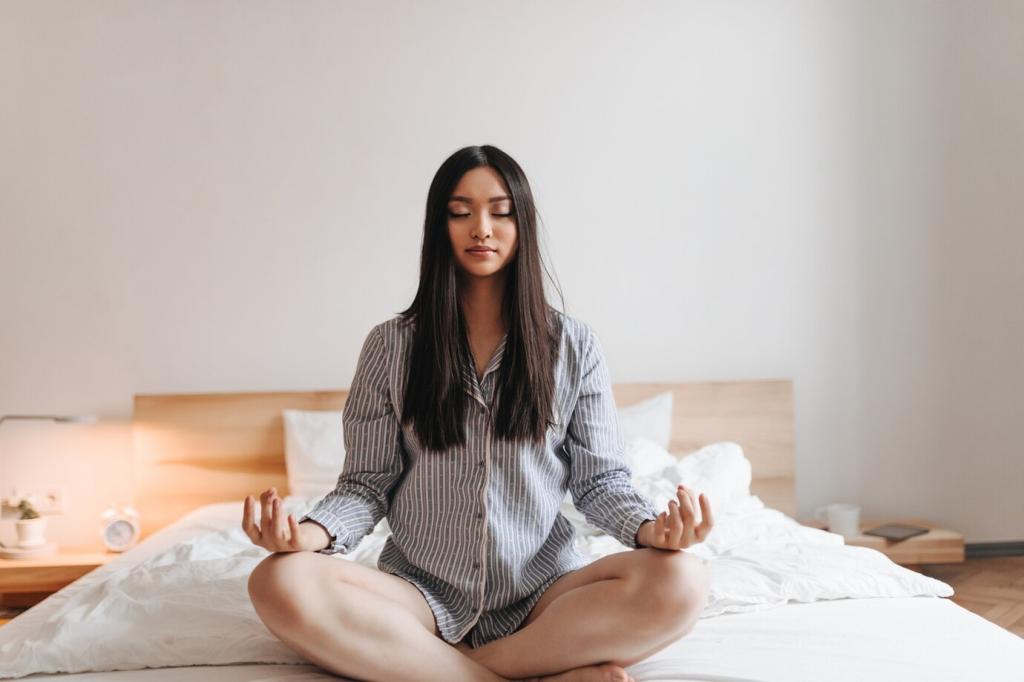
Begin practice with three quiet minutes: sit, notice breath, and label distractions gently. This brief ritual signals your brain to enter a focused state, integrating mindfulness with the physical warm-up for a more intentional session.
Building a Consistent Meditation Habit for Athletes
Attach meditation to daily anchors you already do: taping ankles, lacing shoes, or filling a water bottle. Stacking removes decision fatigue and turns mindfulness into a dependable pre-competition switch you can trust every single time.
Team Integration: Coaching Mental Resilience Into Culture
Before tactical talks, lead two minutes of guided breath. Collective silence lowers arousal and boosts listening, so key instructions land. Players notice clearer eye contact, fewer interruptions, and faster adoption of in-game adjustments under pressure.
Team Integration: Coaching Mental Resilience Into Culture
Captains model a single breath-and-cue routine after mistakes or momentum swings. Peer leadership reduces stigma, encourages adherence, and teaches younger athletes that composure is trainable, not a personality trait reserved for veterans only.
Stories From the Arena: Meditation in Action
Runner’s Last-Lap Calm
A collegiate miler wrote “breathe, drive, relax” on his wrist. During the bell lap, he read it, lengthened his exhale, and surged without panic. He didn’t win, but he set a personal record by racing composed.
Goalkeeper’s Penalty Reset
A keeper practiced a three-breath routine before every penalty: soften shoulders, widen vision, choose one cue. In finals, the same ritual neutralized crowd noise and self-doubt, helping her commit early and save the decisive shot cleanly.
Tennis Tie-Break Turnaround
Down 1–5 in a tie-break, a player used senses-first grounding at the towel: feet, grip, breath, string tension. The reset disrupted spiraling thoughts, narrowed focus to patterns, and sparked a comeback built on poise, not perfection.